
The Importance of DEF: Understanding its Role in Diesel Engines – In the realm of modern diesel engines, one crucial component has emerged as a cornerstone of environmental responsibility and engine efficiency: Diesel Exhaust Fluid (DEF). While it may seem like just another fluid in the mix, understanding its significance sheds light on its vital role in reducing harmful emissions and ensuring the longevity of diesel engines.
What is DEF?
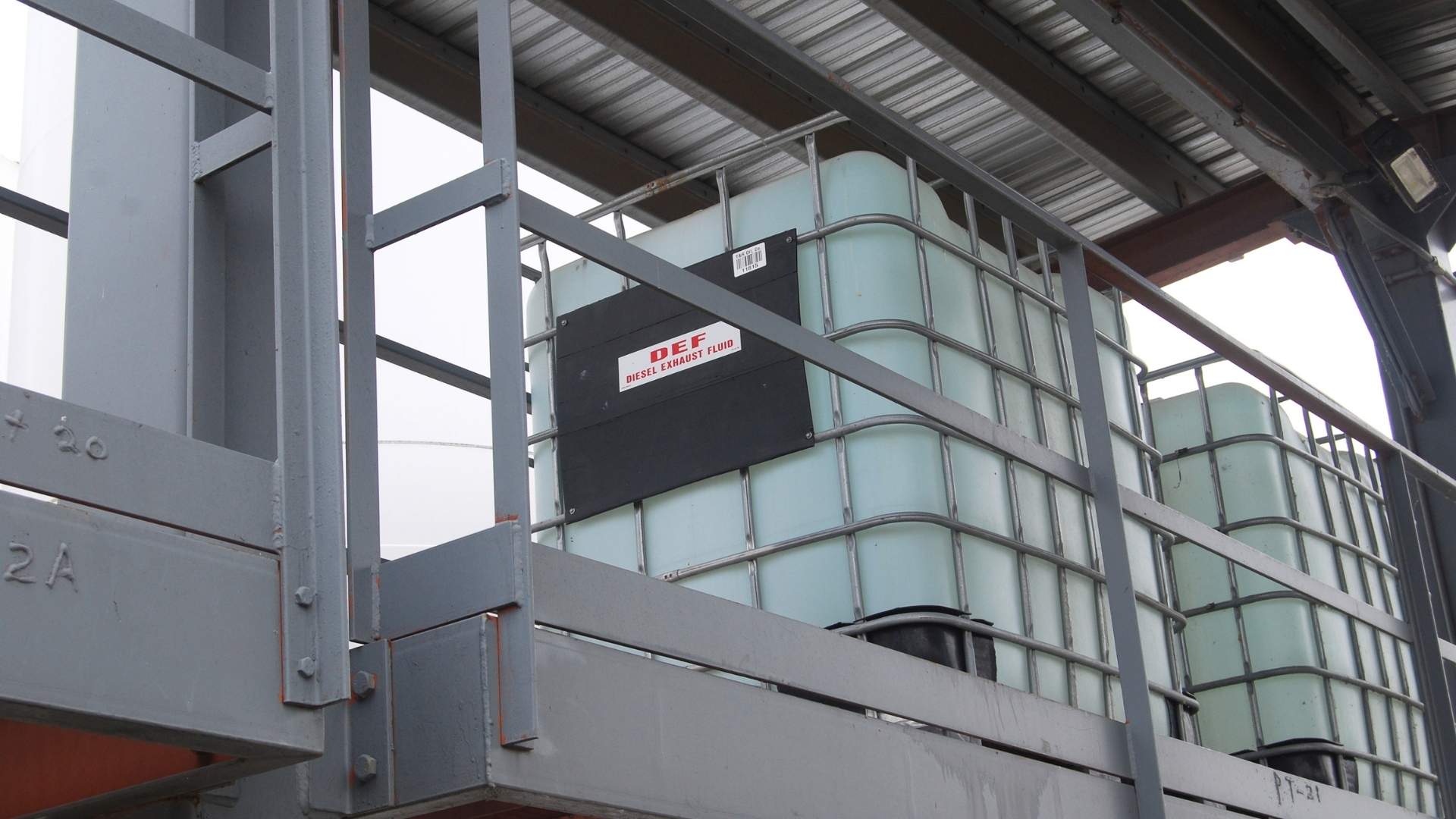
Before delving into its importance, let’s first grasp what DEF is. Diesel Exhaust Fluid is a non-toxic, colorless solution comprised of 32.5% urea and 67.5% deionized water. It’s injected into the exhaust stream of diesel vehicles equipped with Selective Catalytic Reduction (SCR) systems. When DEF meets the hot exhaust gases, it breaks down into ammonia and carbon dioxide, initiating a chemical reaction that converts harmful nitrogen oxides (NOx) into harmless nitrogen and water vapor, significantly reducing emissions.
Environmental Responsibility
One of the primary reasons for the widespread adoption of DEF is its substantial contribution to environmental conservation. Diesel engines, while efficient and powerful, are notorious for emitting NOx, a major contributor to smog, acid rain, and respiratory issues. DEF plays a pivotal role in mitigating these adverse effects by effectively reducing NOx emissions by up to 90%.
In an era where environmental consciousness is paramount, DEF emerges as a key player in the quest for cleaner air and sustainable transportation. By enabling diesel engines to meet stringent emissions regulations, DEF ensures that diesel vehicles can operate within environmental guidelines without compromising their performance or efficiency.
Engine Efficiency and Longevity
Beyond its environmental benefits, DEF also plays a critical role in enhancing the efficiency and longevity of diesel engines. By reducing NOx emissions, DEF allows manufacturers to optimize engine performance without compromising fuel economy. This is particularly important in the context of heavy-duty vehicles and machinery, where fuel efficiency directly impacts operational costs.
Moreover, by minimizing the formation of harmful deposits and particulate matter within the engine and exhaust system, DEF helps maintain engine cleanliness and prolongs the life of critical components. This translates to reduced maintenance requirements, lower repair costs, and increased uptime for diesel-powered equipment and vehicles.
Regulatory Compliance
In addition to its environmental and performance advantages, DEF is instrumental in ensuring regulatory compliance for diesel vehicle operators and fleet managers. With governments worldwide implementing stringent emissions standards, particularly in the transportation sector, the use of DEF has become mandatory for diesel vehicles in many regions.
Failure to adhere to these regulations not only results in hefty fines and penalties but also tarnishes the reputation of businesses and organizations. By incorporating DEF into their operations, diesel vehicle operators demonstrate their commitment to environmental stewardship and regulatory compliance, bolstering their credibility and public image.
What Does DEF Do?
DEF neutralizes the nitrogen oxides (NOx) produced by diesel combustion before they exit the exhaust system. It gets injected into the exhaust stream, where it reacts with the hot gases inside the Selective Catalytic Reduction (SCR) catalyst and converts NOx into nitrogen and water vapor — two harmless byproducts that get released into the atmosphere. Without that reaction happening continuously, your diesel engine is pushing out emissions that exceed federal limits and, in most cases, the engine itself will take action to stop you from operating it.
What Is DEF Used for in a Diesel Engine?
DEF has one job in a diesel engine: it makes the SCR system work. The SCR — Selective Catalytic Reduction — is the emissions control system built into modern diesel engines that are compliant with EPA Tier 4 Final standards. When the SCR catalyst gets DEF, it has the chemical reagent it needs to break down NOx at high efficiency. Without DEF, the SCR system has nothing to work with, and NOx passes through the exhaust untreated.
It’s worth being clear that DEF doesn’t go into the fuel tank or the engine oil — it’s stored in its own dedicated tank, separate from everything else, and fed into the exhaust stream by its own injector. Most modern diesel equipment will display a warning when DEF levels drop low, well before the tank runs dry, so operators have time to schedule a refill.
In practical terms, DEF is what allows high-performance diesel engines — the kind running construction equipment, heavy trucks, and generators — to meet EPA Tier 4 Final emissions requirements while still delivering the power and efficiency that operators depend on. It’s not a workaround. It’s a core part of how these engines are engineered to run.
Why Is DEF Required, and When Did That Change?
DEF became required in the United States as part of the EPA’s emissions regulations for heavy-duty diesel engines. The short version: the EPA set increasingly strict limits on NOx emissions under the Clean Air Act, and the SCR system — which requires DEF to function — became the industry’s primary method for meeting those limits.
For on-road heavy-duty trucks, the EPA’s 2010 emissions standards were the turning point. Model year 2010 engines had to meet NOx limits that essentially made SCR technology mandatory, and SCR requires DEF. For off-road equipment — excavators, bulldozers, generators, and similar machines — EPA Tier 4 Final standards phased in between 2011 and 2015 depending on engine horsepower. By the time Tier 4 Final was fully in effect, DEF became a standard requirement across the heavy equipment industry.
This wasn’t a voluntary change. It was a regulatory mandate, and the equipment manufacturers built their engines accordingly. If you’re operating diesel equipment built after 2010, there’s a good chance DEF is not optional for that machine — it’s a requirement built into how the engine manages emissions.
Is DEF Necessary?
Yes — for any diesel engine equipped with an SCR system, DEF is necessary. It’s not an additive you can skip or substitute. Modern diesel engines with SCR are specifically engineered to run with DEF as part of their emissions control system, and the consequences of running without it are built directly into the engine’s programming.
Most diesel engines equipped with SCR will begin a derate cycle when DEF runs out. That means the engine management system deliberately limits power output — often to around 5 mph or a fraction of normal operating power — to force the operator to address the empty DEF tank before continuing to run the machine. Some systems will prevent the engine from restarting at all once DEF is fully depleted. This isn’t a mechanical failure. It’s the engine doing exactly what it was programmed to do when a required fluid is missing.
The practical takeaway: if your equipment has a DEF tank, keeping it filled is not optional. Running low on DEF in the middle of a job is the kind of problem that stops a jobsite cold.
What Happens If You Run Out of DEF?
Running out of DEF triggers a progressive response from the engine’s management system. The sequence typically goes like this:
When DEF gets low — usually around 10% tank capacity — a warning light appears on the dash or instrument panel. The engine continues to operate normally at this point, but the clock is ticking. As DEF drops further, a second warning stage activates, often accompanied by an audible alert. Once the DEF tank reaches empty, most engines enter a power derate — engine output is reduced, sometimes severely, to a speed that makes the equipment essentially unusable for productive work. On some systems, once the engine is shut off after DEF runs out, it will not restart until DEF is added.
Beyond the immediate operational problem, running an SCR-equipped engine without DEF can trigger fault codes that require a dealer reset, and repeated DEF-related faults can affect engine warranties. The cost of an emergency service call and a dealer diagnostic visit adds up fast — far more than the cost of keeping DEF stocked and scheduled for regular delivery.
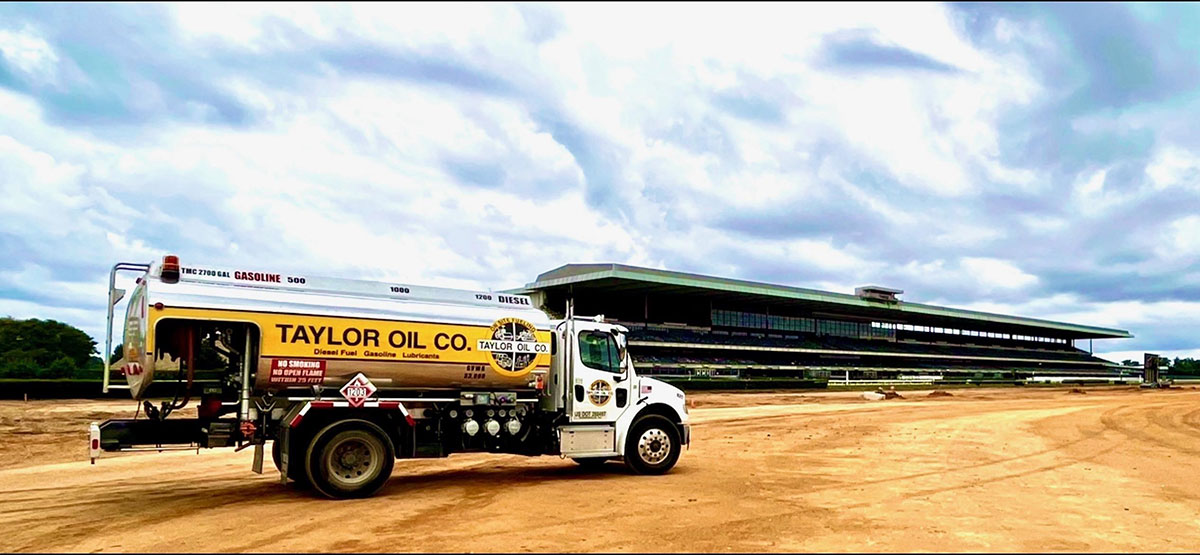
At Taylor Oil Co., we deliver DEF directly to construction sites, fleet yards, and facilities across the Northeast — from Boston, MA to Richmond, VA. If managing DEF supply is creating headaches for your operation, on-site DEF delivery eliminates the problem entirely. Your equipment stays fueled and in compliance, and your team doesn’t have to make runs to the supply house. Contact us to set up DEF delivery for your operation.
DEF is not a complicated product, but it is a non-negotiable one. If your diesel equipment was built after 2010, it almost certainly depends on a functioning SCR system — and that system depends on DEF. The equipment manufacturers didn’t make this optional, and neither did the EPA. What you can control is whether DEF availability is ever the reason your equipment goes down. Keeping DEF stocked and on a reliable delivery schedule is one of the simpler things an operation can do to protect uptime. Taylor Oil Co. delivers DEF directly to jobsites, fleet yards, and facilities from Boston, MA to Richmond, VA. If you want to take DEF supply off your list of things to manage, reach out and we’ll set it up.